
Environmental, Social, Governance

Net Zero Commitments are Evolving: What Should Businesses Be Considering Now?
Net zero commitments are not new. Many organisations have set them, often as long-dated ambitions, and they have become a...

NSW Net Zero Planning Grant Opens for Round 2
The NSW Government has opened round 2 of the Net Zero Planning Grant, providing up to $25,000 to cover up...
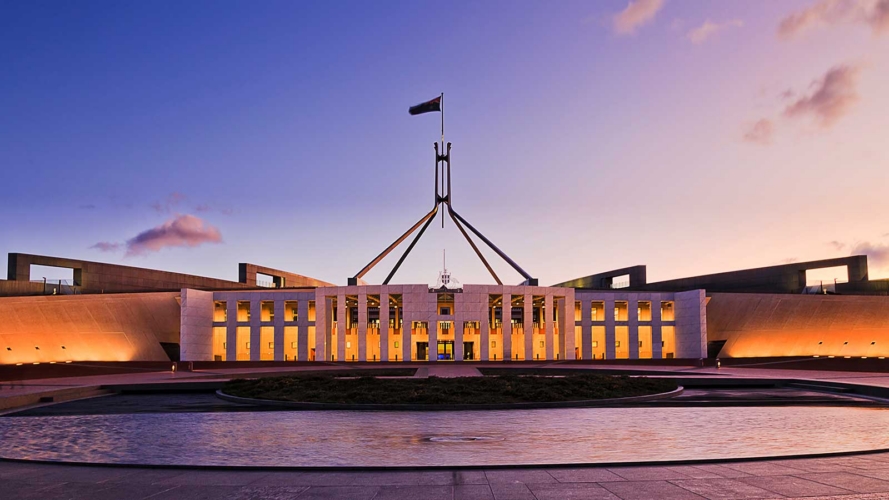
7 Years Without Reporting Penalties: Australia’s Modern Slavery Act is Changing
The term modern slavery is used to describe situations where coercion, threats or deception are used to exploit victims and...

After 16 Years, Climate Active Certification Is Ending
In July 2026, the Australian Government announced that the Climate Active certification program is ending, also bringing an end to...

$8.6 Billion Cost of Extreme Weather: Why Climate Scenario Analysis Matters
Extreme weather generated significant losses across Australia in 2025. Severe storms and hail events caused $4.8 billion in insured losses,...
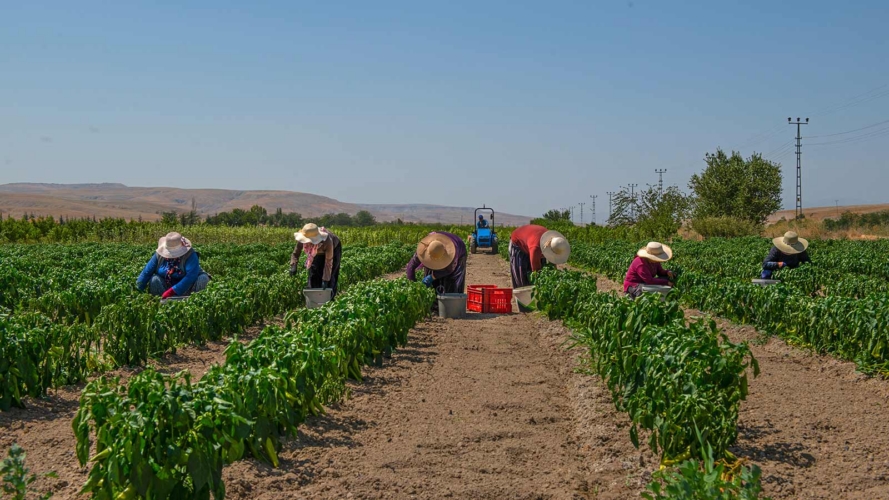
Modern Slavery Reporting in 2026: What the Commissioner’s Recommendations Mean for Business
For businesses with a 30th June financial year, the next Modern Slavery Statement is due by 31st December 2026. Under...

AASB S2 Group 2 Reporting Period Starts — What Have We Learned from Group 1?
As the new financial year begins, Group 2 entities are joining Australia’s largest companies in producing mandatory climate-related disclosures under...

Fleet Electrification
Australia’s freight sector will be central to Australia’s net zero transition. In the year to December 2025, transport accounted for...

The Evolving Net Zero Landscape
The past year has brought major advances in the standards which guide credible corporate climate action. As more organisations set...

SBTi Releases Corporate Net-Zero Standard V2.0
This month the Science Based Targets initiative (SBTi) released the long-awaited of its Corporate Net-Zero Standard Version 2.0, representing a...

The Hidden Cost of Green Technology
The global transition to a low-carbon economy is essential for addressing the climate crisis. Yet the supply chains powering this...
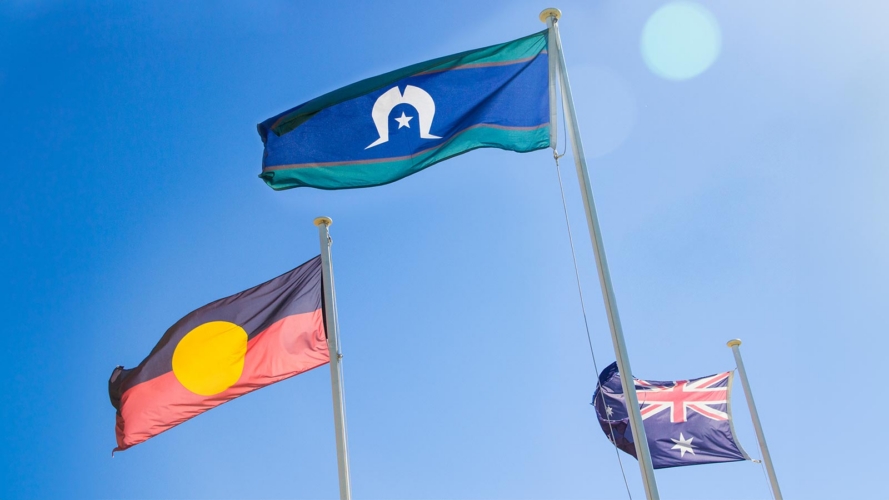
All In: National Reconciliation Week 2026 and the Role of Reconciliation Action Plans
National Reconciliation Week (NRW) runs from 27 May to 3 June each year. The dates mark two significant events in...