Australia’s Data Centre Boom is Reshaping Energy and Water Demand
October 15, 2026
Australia is entering a major wave of data centre investment, bringing significant economic opportunity alongside rapidly growing demand for electricity, water and supporting infrastructure. As that demand grows, sustainability is becoming a more important consideration in how data centre projects are planned, developed and operated.
The scale of the investment became even clearer in September 2026, when Nvidia announced partnerships aimed at adding up to 2 gigawatts (GW) of AI data centre capacity in Australia by 2027. With national data centre capacity estimated at around 1.6 GW, the planned expansion represents a significant increase in the country’s computing infrastructure.
A new source of electricity demand
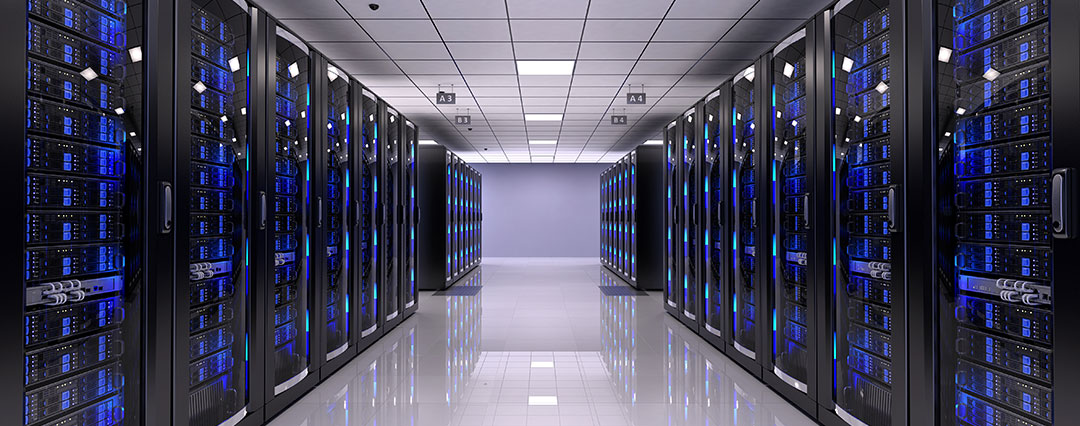
The expansion of data centre capacity is expected to increase electricity demand. The Australian Energy Market Operator’s (AEMO) 2026 Electricity Statement of Opportunities forecasts data centre electricity consumption in the National Electricity Market (NEM) to increase from approximately 5 terawatt hours (TWh) in 2025–26 to 34 TWh by 2035–36. Data centres would then represent around 13% of all electricity supplied in the NEM, up from around 3% today.
NSW is already confronting what this growth could mean in practice. As of July 2026, data centres were seeking network connections totalling up to 28 GW, with around 13 GW in advanced connection discussions. This is more than the state’s average daily electricity demand. The NSW Government has proposed reforms intended to ensure the additional electricity infrastructure required to support data centre growth is funded by the sector without increasing electricity prices for households and small businesses.
Data centres require large and reliable electricity supplies, and their emissions impact depends on how that electricity is generated and procured. As the sector grows, operators will face increasing expectations to support additional energy supply and infrastructure, improve facility efficiency and increase the use of renewable energy. NSW’s recently released Data Centre Guidelines already include principles requiring proponents to fund additional energy supply and apply high environmental and efficiency standards.
Water is also part of the equation
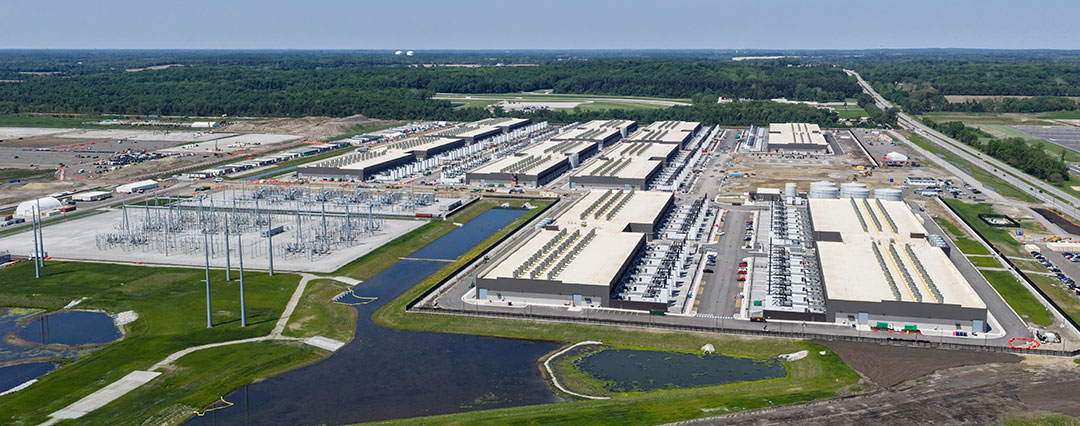
Energy is not the only resource under scrutiny. Some data centre cooling systems can require significant volumes of water, placing water efficiency alongside energy efficiency as an increasingly important consideration.
In September 2026, NSW’s Independent Pricing and Regulatory Tribunal (IPART) commenced consultation on a review of the water pricing and regulatory framework for data centres. The review is considering how operators should fund the upfront and ongoing costs of the water services they require without placing an undue burden on other water customers.
Recent operating data demonstrates the challenge of maintaining efficiency while capacity grows. Australian data centre operator NEXTDC reported that both its water and energy efficiency worsened in FY26 for the third consecutive year. Its Water Usage Effectiveness ratio increased from 2.25 to 2.40 litres per kilowatt-hour in FY26, while its Power Usage Effectiveness increased from 1.44 to 1.49. NEXTDC attributed the increase partly to expanded operations and the commissioning of new capacity.
Growth and sustainability will need to go together
As the sector grows, how data centres manage electricity demand, water use, emissions and their impact on surrounding infrastructure will come under closer scrutiny.
For data centre operators, developers and investors, these are no longer secondary concerns. Energy procurement, water efficiency, emissions reduction, climate resilience and credible sustainability reporting will increasingly influence how projects are planned and approved, alongside commercial and technical requirements.
Australia’s data centre boom is already underway. The next challenge is ensuring the infrastructure supporting our digital future can grow alongside, rather than at the expense of, the energy systems, water resources and communities that support it.
Supporting Sustainable Data Centre Growth
As data centre sustainability in Australia becomes increasingly important, Cress can help organisations identify material risks and opportunities and develop practical strategies to support responsible and resilient growth.
Our experience across infrastructure, utilities and digital infrastructure provides insight into the relationship between energy, water, resilience and long-term planning, helping organisations navigate the sustainability challenges associated with rapidly growing, technology-dependent operations.
Get in touch with our team.
Cress is the Hydroflux Group’s in-house sustainability consulting team, operating as a specialised division and driven by a simple but powerful goal: to help organisations across Australia, New Zealand and the Pacific region create a more sustainable future. As a young and agile team, we combine technical expertise with fresh, forward-thinking approaches to help clients navigate complex challenges across climate risk, emissions reduction, modern slavery, water stewardship, and ESG reporting, building on the Hydroflux legacy of engineering excellence while bringing a sustainability lens to the industries and communities shaping the future of our region.