
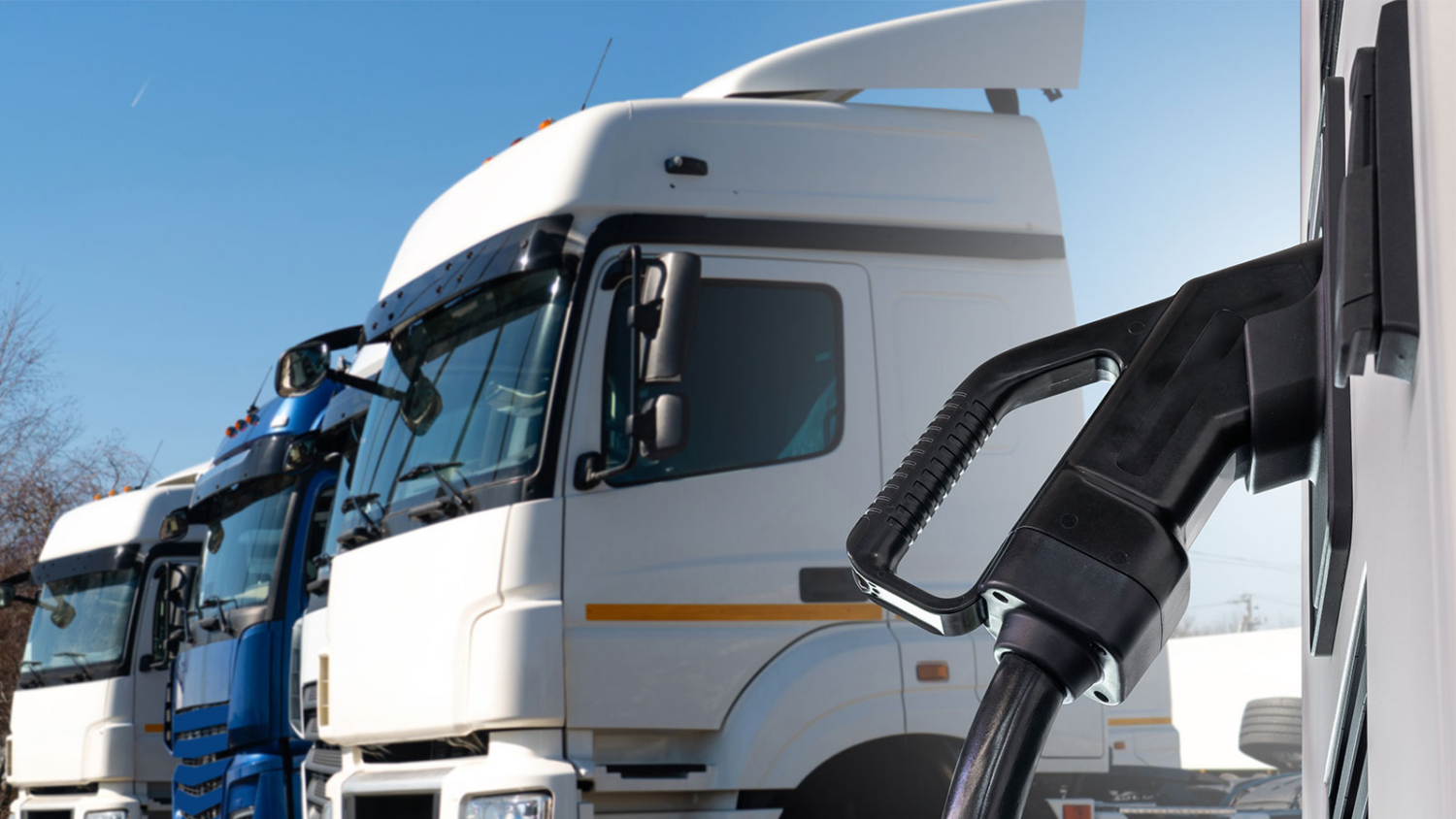
Fleet Electrification
July 9, 2026
Australia’s freight sector will be central to Australia’s net zero transition. In the year to December 2025, transport accounted for 22% of the national emissions inventory. Freight contributes around 40% of transport emissions – road freight represents approximately 80% of this footprint. With DCCEEW projecting road freight to grow by approximately 35% between 2025 and 2040, Australia will need to decouple freight growth from emissions growth to keep net zero by 2050 within reach.
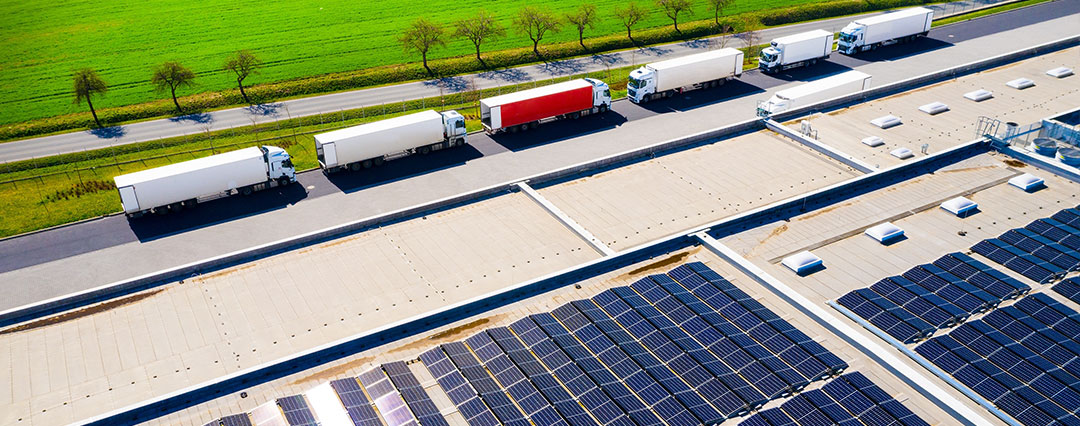
Fleet electrification is one of the most promising pathways, but the transition is not simply a matter of replacing diesel trucks with electric trucks. The economic case depends on how vehicles are used, where they are charged and how the costs and benefits are shared across the freight value chain.
Understanding suitable freight tasks
In practice, road freight varies significantly by distance, payload, route predictability, vehicle class, and charging access. ARENA’s Electrifying Road Freight report separates the market into three use cases: urban, intrastate and interstate freight. Urban freight is the strongest early candidate for electrification because vehicles often travel shorter distances, operate on predictable routes and return to a depot where charging can be managed.
This segmentation is important because it changes the role electrification can play. For some freight tasks, electric trucks may already be a practical replacement. For others, electrification may form part of a longer-term transition pathway alongside alternative fuels, efficiency improvements, and future infrastructure development.
The economic case
The economics of electric trucks are also shaped by a trade-off between higher upfront costs and lower operating costs over time. Electric trucks can reduce exposure to diesel prices and may offer lower maintenance requirements, but these benefits only translate into a compelling business case when vehicles are used in ways that allow operating savings to accumulate.
Utilisation is therefore central. A truck that is used frequently and can be charged without disrupting operations is more likely to justify the higher upfront investment.
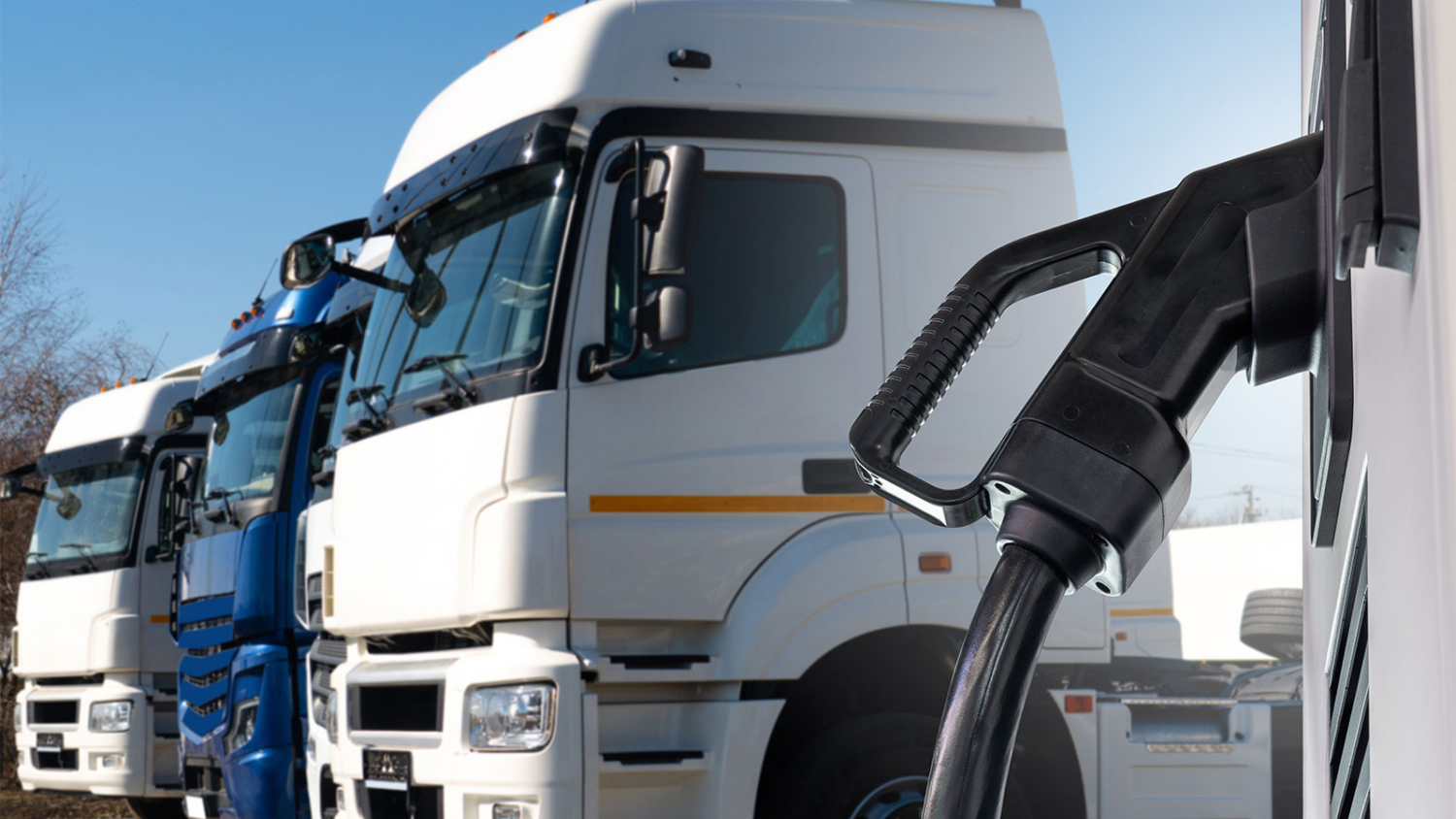
A vehicle with irregular usage or uncertain dwell times may face a weaker commercial case, even if the technology itself is available.
This is particularly important for the operators that make up the largest share of the road freight sector – 98% are small and medium-sized, many of which are family-owned businesses. Many operate on tight margins and shorter investment horizons. For these businesses, electrification is more likely to proceed through targeted opportunities.
This includes long-term delivery contracts that provides sufficient demand certainty to justify investment in an electric vehicle, a high-utilisation route, or access to shared infrastructure that reduces capital burden.
Infrastructure will determine scale
While vehicle availability is improving, infrastructure will determine how quickly electrification can move beyond early adopters. ARENA’s report identifies a potential future national electric freight network of up to 165 charging hubs. It also notes that electricity generation is unlikely to be the main barrier. A greater challenge is expected to sit in transmission, distribution and local network capacity.
This matters because freight charging has different requirements from passenger EV charging. Trucks require larger sites, appropriate turning and parking space, higher-capacity charging, reliable access, and locations that align with freight corridors and driver rest patterns. For smaller operators, many will not be able to justify standalone charging assets on their own.
What business should do now
Many businesses with freight emissions do not own or operate trucks. Their exposure sits in scope 3, through transport suppliers, delivery partners and contractors. Transport buyers must thus set expectations for lower-emissions delivery that can be matched by commercially workable arrangements. This means mapping freight emissions, identifying routes suitable for low-emissions delivery, adjusting delivery windows, and supporting supplier trials. The goal is not simply to pass expectations down the supply chain, but to create the conditions that allow suppliers to invest. This is particularly important for the dominant group of small operators. Without aligned incentives, clear demand signals and practical support, smaller suppliers may struggle to participate in the transition even where demand for lower-emissions freight is growing.
Cress supports organisations to translate sustainability goals into practice. Whether you are a transport operator or buyer, we can assist with scope 1 and 3 transport emissions assessments, fleet decarbonisation strategies, emissions reduction opportunities, marginal abatement cost curves, and climate transition planning and roadmaps.
Electric freight will not be the answer for every route today. But for the right use cases, it is no longer theoretical. Businesses that understand their role in the freight system early will be better placed to manage costs, infrastructure constraints, and expectations as Australia moves to net zero.

If you’d like to better understand the opportunities and challenges for your business, please Contact Cress to discuss how we can help.
Cress is the Hydroflux Group’s in-house sustainability consulting team, operating as a specialised division and driven by a simple but powerful goal: to help organisations across Australia, New Zealand and the Pacific region create a more sustainable future. As a young and agile team, we combine technical expertise with fresh, forward-thinking approaches to help clients navigate complex challenges across climate risk, emissions reduction, modern slavery, water stewardship, and ESG reporting, building on the Hydroflux legacy of engineering excellence while bringing a sustainability lens to the industries and communities shaping the future of our region.
Up Next
Cress Consulting to Exhibit at foodpro 2026