The Hidden Cost of Green Technology
June 4, 2026
The global transition to a low-carbon economy is essential for addressing the climate crisis. Yet the supply chains powering this transition carry significant human rights risks that often go unexamined.
As investment in renewable energy and electrification grows, so does procurement of the minerals and technologies that underpin it, including solar panels, lithium-ion batteries, and electric vehicles. These products rely on supply chains that are geographically concentrated in high-risk regions, often multi-tiered, and difficult to monitor beyond direct suppliers.
Solar energy supply chains
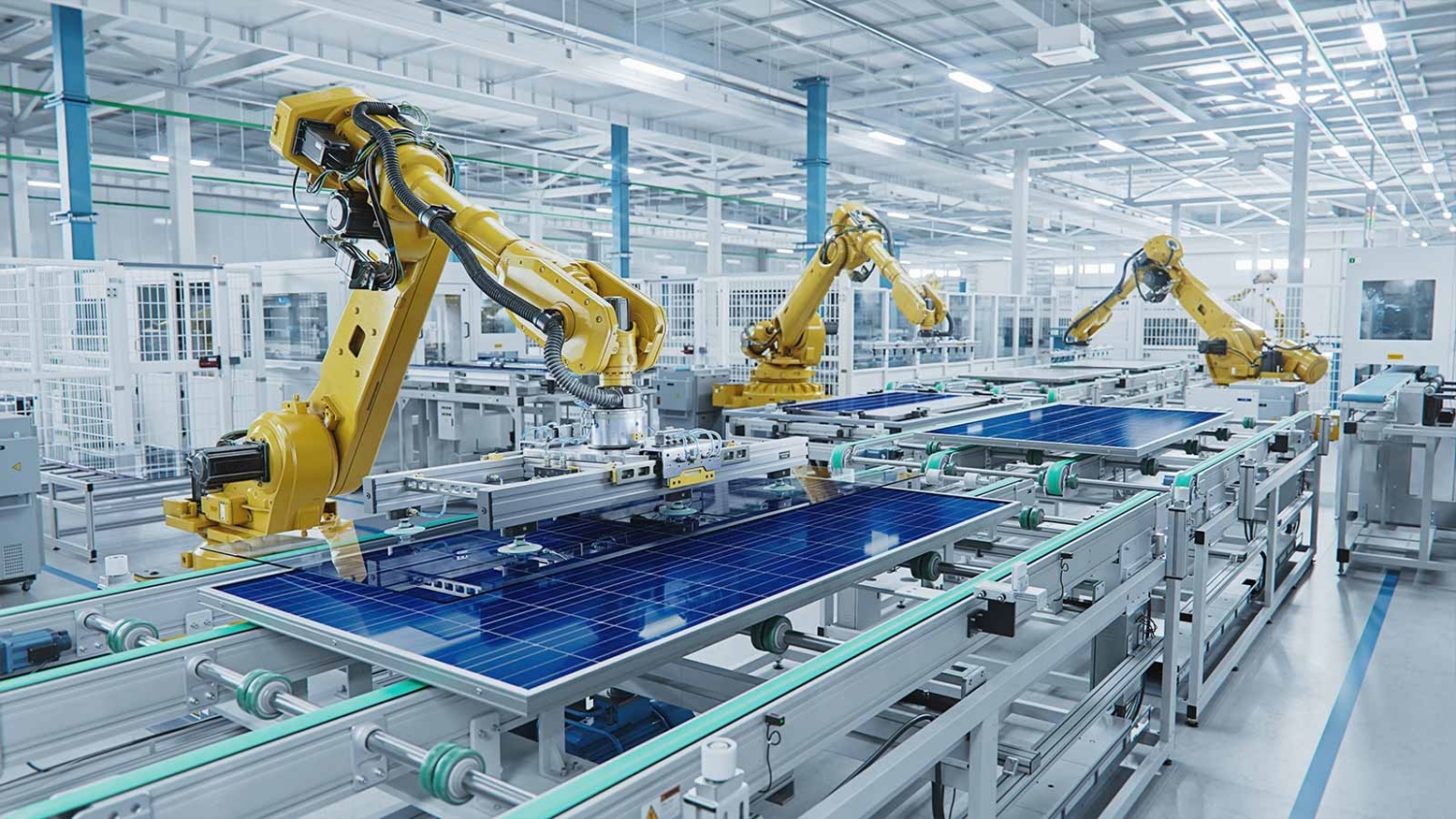
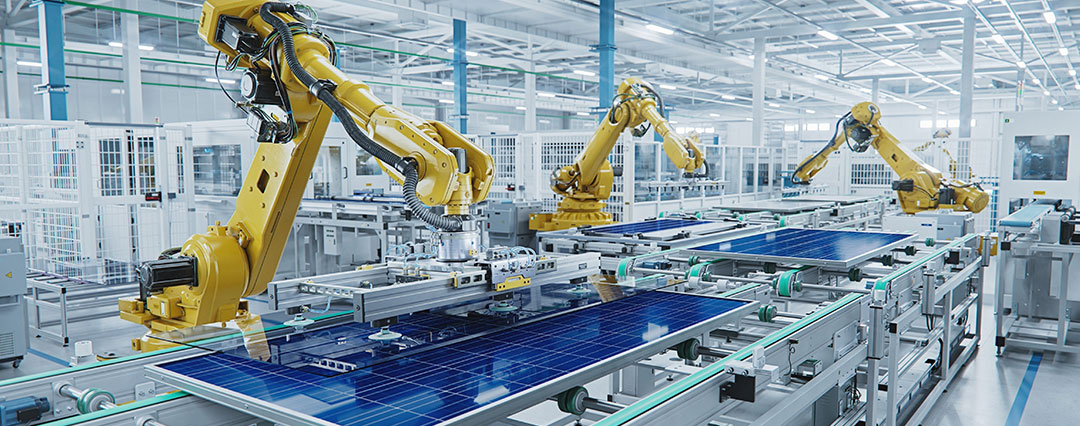
Walk Free’s Global Slavery Index identifies solar panels as among the top five products imported into G20 countries at risk of being produced with forced labour[1]. The Xinjiang Uyghur Autonomous Region in China produces approximately 40% of the world’s solar-grade polysilicon — a key input in solar modules. The region has been extensively documented as presenting elevated forced labour risks, with an estimated 2.6 million Uyghur and Kazakh citizens reportedly subject to coercive labour programmes[2]. For organisations procuring solar infrastructure, this risk can sit several tiers beyond direct suppliers, making standard audit approaches insufficient on their own.
Battery supply chains
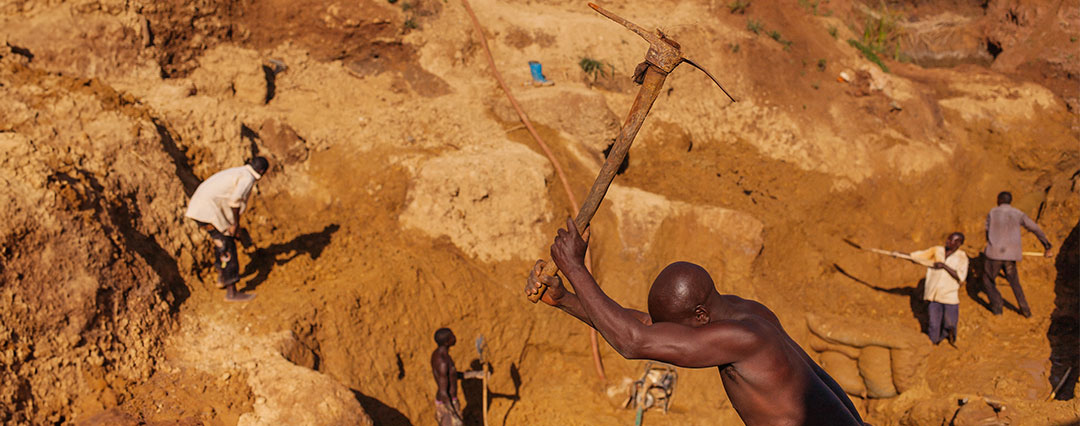
Cobalt production in the Democratic Republic of the Congo (DRC) represents a high-risk area for modern slavery within electric vehicle supply chains. The DRC accounts for approximately 70% of global cobalt supply, with up to 30% sourced from artisanal and small-scale mining. These informal mining operations operate with limited regulatory oversight and are characterised by hazardous working conditions, including high risk of injury or death[3]. Cobalt is a key component in the lithium-ion batteries that power electric vehicles, meaning demand for it is rising sharply. EV sales are projected to grow from 6.5 million in 2021 to 66 million by 2040, and lithium-ion batteries already account for over 50% of global cobalt consumption. As procurement volumes grow, so does exposure to these risk[4].
Implications for modern slavery reporting
As organisations invest in renewable energy and lower-carbon operations, many will encounter supply chains where forced labour risks are more concentrated. Under Australia’s Modern Slavery Act, organisations must identify and disclose modern slavery risks across their operations and global supply chains. For many, this will increasingly involve recognising how climate objectives intersect with human rights risks, particularly in sectors such as mineral extraction, processing and renewable technology manufacturing.
When procuring green power or renewable infrastructure, effective due diligence starts with supplier engagement:
- Conducting targeted assessments focused on high-risk geographies and materials
- Improving visibility beyond Tier 1 suppliers
- Embedding human rights considerations into procurement decisions
A just transition requires reducing emissions while ensuring human rights risks are identified and managed.
Contact Us to find out how we can help with your modern slavery obligations and supply chain management.
Cress is the Hydroflux Group’s in-house sustainability consulting team, operating as a specialised division and driven by a simple but powerful goal: to help organisations across Australia, New Zealand and the Pacific region create a more sustainable future. As a young and agile team, we combine technical expertise with fresh, forward-thinking approaches to help clients navigate complex challenges across climate risk, emissions reduction, modern slavery, water stewardship, and ESG reporting, building on the Hydroflux legacy of engineering excellence while bringing a sustainability lens to the industries and communities shaping the future of our region.
[1] Walk Free (2025). Global push for clean energy exposes rising modern slavery risks in supply chains. https://www.walkfree.org/news/2025/global-push-for-clean-energy-exposes-rising-modern-slavery-risks-in-supply-chains/
[2] Clean Energy Council (2022). Addressing Modern Slavery in the Clean Energy Sector: A white paper by the Clean Energy Council in collaboration with Norton Rose Fulbright Australia. http://assets.cleanenergycouncil.org.au/documents/resources/reports/Addressing-Modern-Slavery-in-the-Clean-Energy-Sector.pdf
[3] Office of the NSW Anti-slavery Commissioner (2025). Managing modern slavery risks in NSW government procurement of electric vehicles. https://dcj.nsw.gov.au/documents/legal-and-justice/our-commissioners/anti-slavery-commissioner/modern_slavery_risks_in_electric_vehicle_procurement.pdf
[4] Clean Energy Council (2022). Addressing Modern Slavery in the Clean Energy Sector: A white paper by the Clean Energy Council in collaboration with Norton Rose Fulbright Australia. http://assets.cleanenergycouncil.org.au/documents/resources/reports/Addressing-Modern-Slavery-in-the-Clean-Energy-Sector.pdf