
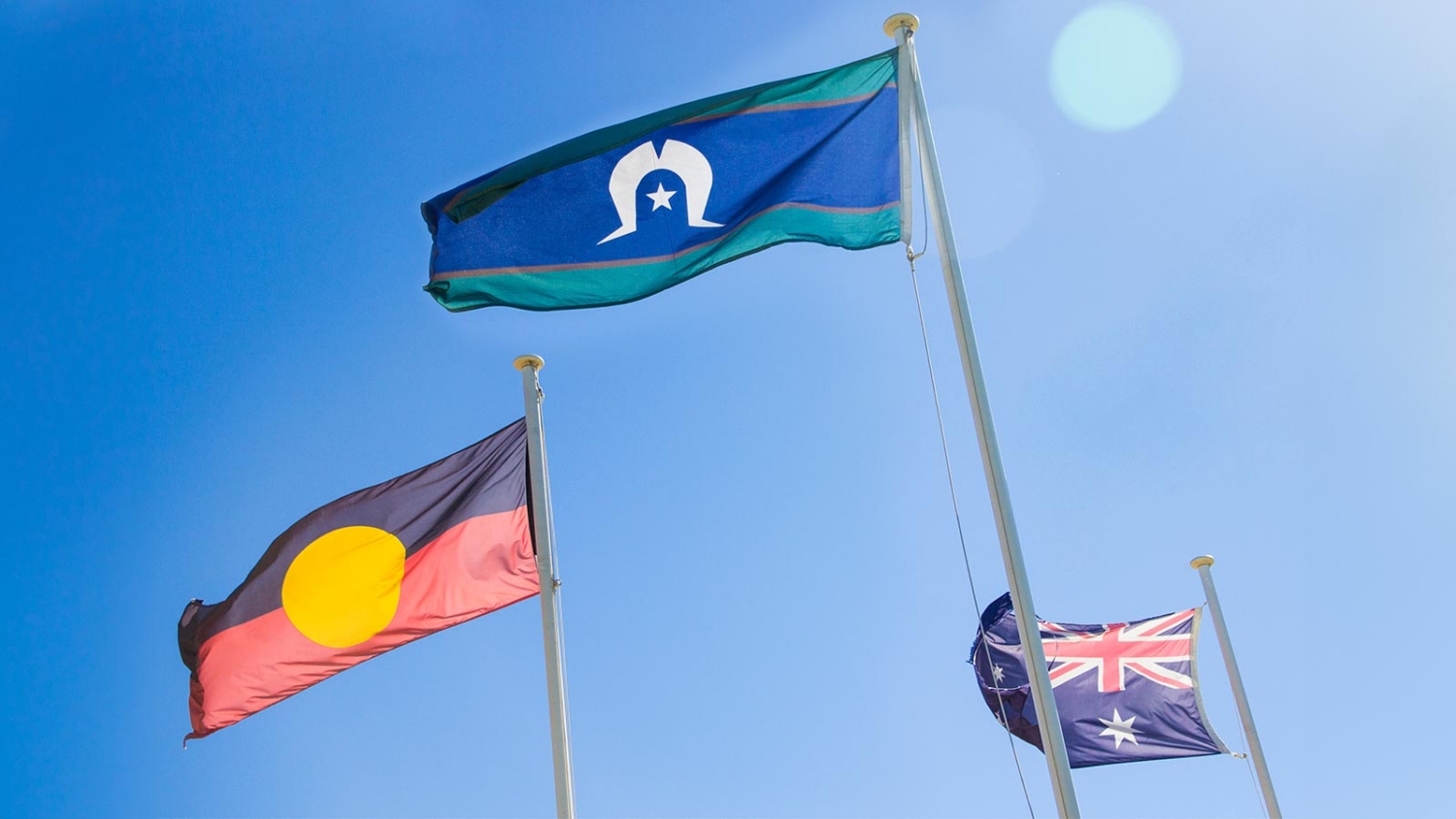
All In: National Reconciliation Week 2026 and the Role of Reconciliation Action Plans
June 1, 2026
National Reconciliation Week (NRW) runs from 27 May to 3 June each year. The dates mark two significant events in Australian history: the 1967 referendum, which amended the Constitution to recognise Aboriginal and Torres Strait Islander peoples in the national census, and the 1992 Mabo decision, which led to the recognition of native title under Australian law.[1]
NRW is preceded by National Sorry Day on 26 May, which recognises the experiences of Stolen Generations survivors and their families. The 2026 focus, led by The Healing Foundation, is From Sorry to Action, aiming to implement the outstanding recommendations of the 1997 Bringing Them Home report.[2]
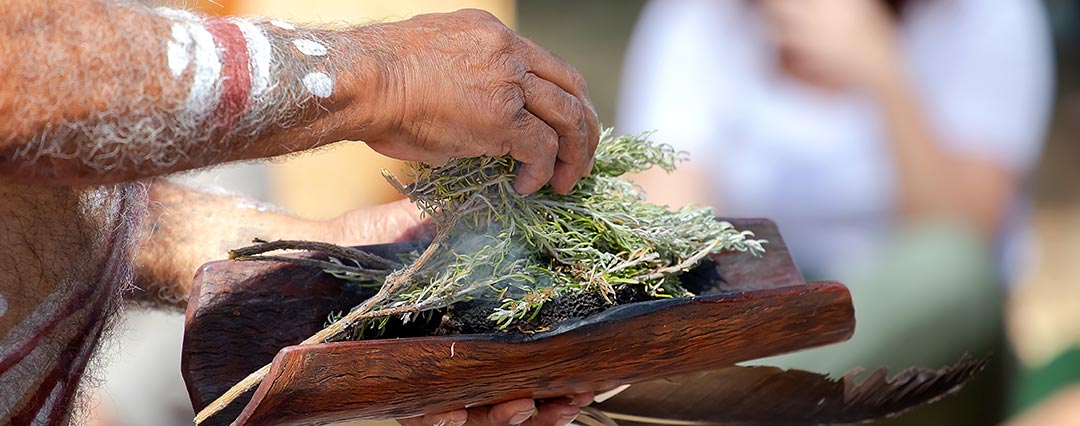
Building on this, the theme for NRW 2026 set by Reconciliation Australia is All In, emphasising that reconciliation is a shared responsibility among individuals, communities, governments and workplaces. The message across both observances is consistent: acknowledgement is a starting point, and reconciliation requires structured follow-through. For Australian workplaces, the most established mechanism for delivering that is a Reconciliation Action Plan.
What is a Reconciliation Action Plan?
A Reconciliation Action Plan (RAP) is a formal, public commitment that sets out the actions an organisation will take to advance reconciliation within its workplace and sphere of influence. In place since 2006, the framework is now used by more than 2,500 organisations, with close to three million people working or studying in an organisation with a RAP.
RAPs are endorsed exclusively by Reconciliation Australia, the national body for reconciliation between Aboriginal and Torres Strait Islander peoples and the broader Australian community. Endorsement ensures consistency, accountability and alignment with national priorities.
The four types of RAP
The RAP framework is staged, allowing organisations to progress as their capability and commitments mature.
- Reflect RAP (12 to 18 months). Builds foundations by engaging staff and leaders, developing relationships with Aboriginal and Torres Strait Islander stakeholders, and scoping where the organisation can have impact.
- Innovate RAP (2 years). Implements actions to advance the organisation’s vision for reconciliation and pilots strategies for further commitments.
- Stretch RAP (3 years). Embeds reconciliation initiatives into business strategy as business as usual, with defined measurable targets.
- Elevate RAP (3 years). Drives systemic and transformational change, with independent assessment of activities and an active championing role on national reconciliation.
Progression from one RAP type to the next is contingent on demonstrated capability and outcomes.
The RAP process
Developing a RAP is a collaborative process with Reconciliation Australia. The key stages are:[3]
- Registration. The organisation registers via the RAP portal and pays a development fee scaled to annual revenue.
- Drafting. The organisation drafts its RAP using Reconciliation Australia’s templates and resources, in consultation with internal and external stakeholders.
- Review and feedback. A RAP Officer at Reconciliation Australia reviews and provides feedback to the RAP.
- Conditional and formal endorsement. Once the written content is approved, the organisation finalises design, uploads the final PDF, and receives formal endorsement. The RAP is then published on the Reconciliation Australia website.
Action outside the RAP framework
A formal RAP is the structured pathway for workplaces, but it is not the only way an organisation can contribute. Engaging First Nations-owned suppliers, embedding cultural protocols, investing in cultural learning for staff, and partnering with First Nations-led organisations are all practical steps that can be taken independently or alongside a RAP.
How Cress can help
While Reconciliation Australia sets the framework and endorses the final plan, the drafting, consultation and internal engagement work sits with the organisation. We support clients through this journey by:
- Identifying which RAP type best aligns with current capability, maturity and aspirations
- Drafting the RAP using Reconciliation Australia’s templates, with content tailored to your organisation’s operations and sphere of influence
- Supporting stakeholder engagement
- Reviewing and strengthening the implementation of an existing RAP, including measurement and reporting
- Aligning RAP actions with your broader ESG strategy
For more information on the RAP framework, or to discuss what an appropriate next step might look like for your organisation, please get in touch with the Cress team.
Cress is the Hydroflux Group’s in-house sustainability consulting team, operating as a specialised division and driven by a simple but powerful goal: to help organisations across Australia, New Zealand and the Pacific region create a more sustainable future. As a young and agile team, we combine technical expertise with fresh, forward-thinking approaches to help clients navigate complex challenges across climate risk, emissions reduction, modern slavery, water stewardship, and ESG reporting, building on the Hydroflux legacy of engineering excellence while bringing a sustainability lens to the industries and communities shaping the future of our region.
[1] Reconciliation Australia (n/d) National Reconciliation Week
[2] Reconciliation Australia (2026) National Sorry Day: From Sorry to Action
[3] Reconciliation Australia (n.d.) The RAP process.
Up Next

The Hidden Cost of Green Technology