
Australia’s New Climate Transition Planning Guidance: What It Means for Business
August 27, 2026
On 24 August 2026, the Australian Treasury released a new voluntary guidance: Climate-related Transition Planning. This guidance provides practical advice and examples of good practice to support organisations in transition planning tailored to their unique context.
Treasury defines climate-related transition planning as an ongoing internal process through which organisations identify, assess and respond to climate-related risks and opportunities, while delivering on their climate ambitions.

What does transition planning involve?
A transition plan can be interpreted narrowly as a pathway from an emissions baseline to a net zero target. In practice, Treasury structures the broader process around four iterative stages:
- Assess or re-assess the organisation’s position
- Set strategic ambitions
- Plan actions
- Implement or re-implement strategic ambitions and actions
Within those stages are activities organisations may already be undertaking separately, such as climate risk assessments, greenhouse gas inventories, stakeholder engagement, and capital planning. The value of a transition plan is in connecting these activities into a coherent strategic process.
Treasury is notably focused on practical decision-making and encourages organisations to integrate transition planning within core business strategy, balance ambition against realities, and maintain a clear focus on return on investment. It also recognises that the depth of transition planning should vary according to an organisation’s climate risk exposure and complexity.
Transition planning should therefore help answer questions such as:
- Which actions are technically feasible?
- Which investments should occur first?
- What capital will be required?
- How could transition decisions affect operating costs, revenues, resilience or competitiveness?
From climate ambition to action
Treasury explicitly considers the cost of abatement, expressed as the net cost of a mitigation measure relative to the emissions reduction it delivers. One way of operationalising this analysis is through a Marginal Abatement Cost Curve (MACC).
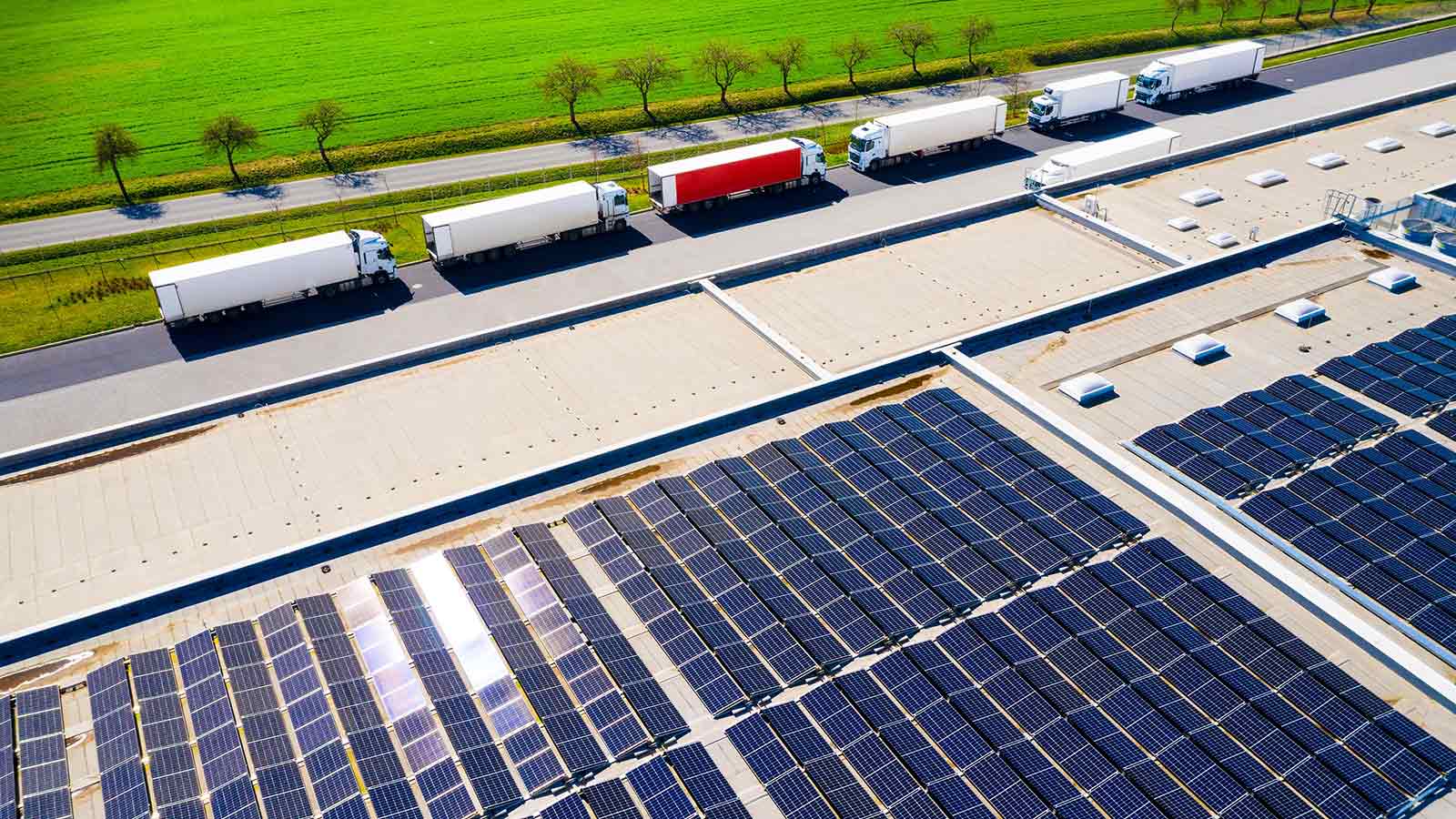
A MACC can compare opportunities ranging from renewable electricity to equipment electrification, fleet transition or process changes, helping organisations understand their abatement potential, relative costs and possible sequencing.
Importantly, Treasury also recognises that the lowest-cost emissions reduction will not always be the best business decision. Technology readiness, broader strategic objectives, physical climate risks and other factors may all influence priorities.
A MACC can therefore provide a practical foundation for comparing mitigation opportunities, while the broader transition planning process helps organisations determine how those opportunities should be sequenced, financed and implemented.
How Cress can help
Treasury’s new guidance provides organisations with a structured framework for approaching transition planning. For organisations already measuring their emissions or considering their climate-related risks, the next question is: what do we do with that information?
Cress Consulting supports organisations across the transition planning process, from developing a robust emissions inventory and assessing climate-related risks, through to identifying emissions reduction opportunities and undertaking MACC analysis.
Get in touch to discuss how we can support.
Cress is the Hydroflux Group’s in-house sustainability consulting team, operating as a specialised division and driven by a simple but powerful goal: to help organisations across Australia, New Zealand and the Pacific region create a more sustainable future. As a young and agile team, we combine technical expertise with fresh, forward-thinking approaches to help clients navigate complex challenges across climate risk, emissions reduction, modern slavery, water stewardship, and ESG reporting, building on the Hydroflux legacy of engineering excellence while bringing a sustainability lens to the industries and communities shaping the future of our region.
Up Next